
Postpartum care for dogs: Coordination tips for mother dog diapers and puppy breastfeeding

Many first-time puppies experience a bit of a rush when caring for them: the mother is physically exhausted and nervous, while the puppies are noisy and fragile, making for a potentially dangerous situation. While this phase may seem like simply letting the mother rest and nurse, it actually involves numerous details.
Two key areas—the use of dog diapers and nursing coordination—are often overlooked, yet they can have the greatest impact on the recovery and development of both the mother and the puppies.
Next, let’s look at how to help the mother dog recover her strength and stay clean during the postpartum period while ensuring that the puppies can drink milk smoothly.
1. Core principles of postpartum care: environment, nutrition, and observation
First of all, the three most important things to consider when caring for a mother dog and her puppies are a quiet and clean environment, adequate nutrition, and constant observation. If these three points are maintained, postpartum care is halfway to success.
1. Keep the environment clean, quiet and warm
The postpartum nest (or delivery room) should be located in a well-ventilated but low-interference area to avoid noise.
Regarding temperature, newborn puppies cannot regulate their own body temperature, so the environment should be maintained at around 30°C.
Bedding should be changed frequently and kept dry—a dog diaper can be useful for cleaning excrement and changing bedding to prevent the mother’s secretions from contaminating the environment.
2. Nutritional Upgrade and Hydration
Lactating dogs consume extremely high amounts of energy. Studies have shown that their caloric needs are nearly two to four times their normal level during the first three to five weeks after giving birth.
Choose a high-energy, easily digestible lactating dog food and provide the dog with free access to food and water at all times.
Split feedings into three or four times to ensure a continuous energy supply and prevent hypoglycemia or dehydration.
3. Observe the condition of the mother dog and puppies every day
Spend a few minutes each day observing:
- Does the female dog have a fever, bleeding, or foul-smelling discharge?
- Is there any redness, swelling, lumps, or abnormal secretion in the breast?
- Is the puppy gaining weight steadily and eliminating normally?
If you find that the mother dog is anxious, refuses to breastfeed, or the puppies cry for a long time, you should check the cause immediately.
2. Dog diapers: A sharp tool for cleaning, but they need to be used correctly
Many people think that female dog diapers are just a tool to prevent dirt. In fact, the timing and method of their use are very important.
Proper use can keep the environment clean and prevent infection; improper use can actually put pressure on the nipples and cause dermatitis.
(1) When to use: Available but not dependent
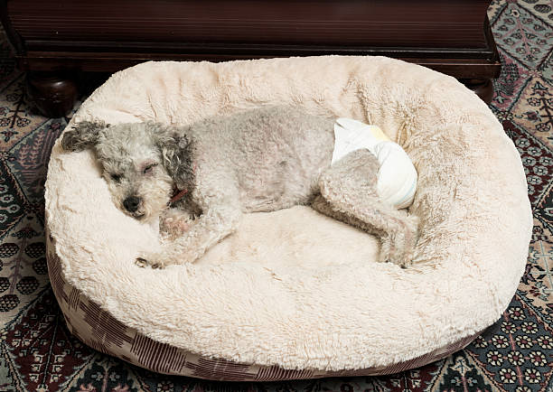
A bitch will typically have vaginal discharge within 24–48 hours after giving birth. Using a diaper specifically for bitches can prevent blood or bodily fluids from contaminating the litter box.
However, be careful
not to cover the nipples while the bitch is lying down to nurse, as this may prevent the puppies from feeding.
It’s okay to wear a diaper at night or for short outings, but otherwise, try to keep the skin airy and breathable.
(2) Selection criteria: Comfort and safety are the key
When choosing diapers, focus on the following:
- Highly breathable and absorbs quickly: avoids skin irritation caused by moisture;
- Tailored to fit: Elastic or Velcro at the waist and midriff;
- Soft material: no irritation when in contact with the female dog’s skin;
- Reasonable design: Some diapers have openings in the nipple or reproductive area for easy cleaning or breastfeeding.
(3) Tips for use: Convenient and safe
- Before putting a diaper on a female dog, gently soothe her and operate when she is calm.
- Make sure the nipples and the edge of the diaper do not rub against each other or be covered;
- Change it every 4–6 hours to keep it dry;
Check the skin every time you change it.
If you notice any red spots, abrasions, or an odor, stop using the diaper and temporarily replace it with a clean pad.
In short: dog diapers are a helper, not a cure-all.
They can make dog care more convenient, but they still need to be used in conjunction with ventilation, frequent changes, and cleaning.
3. Puppy feeding coordination: Don’t let anyone be left behind
One of the most common problems puppies face after birth is uneven milk distribution.
Larger, stronger puppies tend to dominate the milk supply, while weaker puppies struggle to get enough milk and gain weight more slowly.
(1) Observation and intervention
Observe your puppies daily while they nurse, especially during the first few days.
If a puppy cries frequently and doesn’t gain weight, it’s likely they’re not getting enough milk.
During each feeding, allow the weaker puppies to reach the nipple first, or rotate them at different times to ensure each puppy has a chance to nurse.
(2) Adjust body position and sequence
When the mother dog is breastfeeding, you can help her gently adjust her position so that her nipples are used evenly.
Sometimes the milk production on one side is lower; you can consciously let the puppy suck more on that side to stimulate secretion balance.
(3) Assisted breastfeeding (if necessary)
If the mother dog’s milk supply is insufficient or her nipples are inflamed, supplemental feeding can be performed using a dedicated bottle.
Important: The milk must be kept warm (approximately 37°C). After feeding, gently massage the puppy’s abdomen to help with gas.
Any supplemental feeding should be performed under veterinary advice to avoid aspiration or overfeeding.
(4) Gradual weaning
Usually after 4 to 6 weeks, you can introduce semi-liquid puppy food.
Weaning should be gradual and should not be stopped suddenly to avoid mammary pain in the mother dog or gastrointestinal discomfort in the puppies.
4. Detailed care: making recovery more stable and faster
1. Breast examination
Gently palpate your breasts daily. If you feel any lumps, warmth, or pain, these could be signs of mastitis, and you should seek medical attention promptly.
Also, be wary of any discoloration or unusual odor in your breast milk.
2. Control your activity level
Do not take the bitch to do strenuous exercise in the first two weeks after giving birth. Only let her go out for a short time to defecate.
If the bitch has a poor appetite, mix the food with warm water and feed it in small amounts frequently to help her recover.
3. Maintain the hygiene and temperature of the nest box
Clean up excrement and change the bedding daily to keep it dry.
Initially, maintain the temperature at 30–32°C (86–90°F), then gradually lower it to 26–28°C (79–82°F).
One side of the litter box can be slightly warmer, while the other side can be slightly cooler, allowing the female dog to choose her own comfort zone.
4. Avoid distractions
Minimize visits from outsiders during the first few weeks after birth.
Unfamiliar smells, noises, or the presence of other pets can increase stress for the mother.
An anxious mother may refuse milk or even bite her puppies.
5. Warning signs: Seek medical attention immediately in these situations
Even if you take good care of your child, you must learn to recognize abnormalities:
- Uterine infection: smelly discharge, abnormal color, and increased body temperature.
- Mastitis: The breast becomes red, swollen, and hardened, and the female dog refuses to breastfeed.
- Postpartum hypocalcemia: The female dog trembles, becomes stiff, and becomes restless.
- Puppy weight stagnation: This indicates insufficient milk supply or insufficient opportunities to suckle.
- Environmental infection: The nest box has a strong odor and high humidity, which easily breeds bacteria.
Once these symptoms appear, do not treat them yourself, and take the female dog to the doctor as soon as possible.
Conclusion: Patience and details are the best postpartum gifts
Postpartum care for a dog isn’t necessarily complicated, but it’s also simple and absolutely crucial.
Dog diapers are just one tool; what truly matters is careful observation and respect for life.
Lactation coordination, environmental cleanliness, nutritional support, and emotional comfort—each small step contributes to the mother’s recovery and the puppies’ growth.
When you see the puppies sleeping quietly in their warm nest and the mother dog licking their fur with peace of mind, at that moment, all the busyness is worth it.