
Dog kidney disease: low-irritation dog diapers recommended, combined with a low-salt diet excretion care plan

Caring for a dog with kidney disease is often more complicated than we imagine. In addition to daily medication and regular checkups, the biggest headaches for owners are often diet management and excretion care.
When a dog’s kidney function declines, the body’s ability to process salt weakens, and improper diet will aggravate the condition; on the other hand, they may urinate frequently, suffer from incontinence at night, and even have redness and swelling of the skin due to irritation from urine.
I once had an elderly dog with poor kidney function, often experiencing difficulty controlling his urination at night. Later, I tried a low-salt diet combined with appropriate dog diapers , and the results were significant. Today, I’ve compiled a practical solution to share with you who are experiencing the same dilemma:
- Why do dogs with kidney disease need to eat a low-salt diet?
- What kind of dog diapers are considered low-irritation and suitable for sick dogs?
- How to combine diet and excretion management in daily care?
Why Dogs with Kidney Disease Need a Low-Salt Diet
1. The role of the kidneys in the dog’s body
The kidneys act like natural filters, performing three tasks every day:
- Metabolic waste products (eg, urea, creatinine)
- Regulate body water and electrolytes
- Helps maintain blood pressure and acid-base balance
When a dog has kidney disease, these functions decline. The result is:
- Sodium and water that cannot be urinated out can cause edema and increased blood pressure;
- Phosphorus cannot be excreted, which can easily damage bones;
- The accumulation of protein metabolic waste will make your dog increasingly listless.
2. The significance of a low-salt diet
Many owners assume that “if your dog has a poor appetite, just add more seasoning.” This is actually a big mistake! Dogs with kidney disease are most vulnerable to excessive sodium intake. Excessively salty foods can worsen edema and high blood pressure, creating a secondary impact on already damaged glomeruli.
In addition to salt, your diet also needs to pay attention to:
- Low phosphorus: reduces bone damage.
- Moderate amount of high-quality protein: control nitrogen load but retain essential amino acids.
- Supplementation of omega-3 fatty acids: reduces inflammatory response.
- Maintain high moisture: helps dilute waste.
3. Practical Dietary Reference
| Nutritional Points | Recommended choice | Precautions |
| protein | Egg white, chicken breast, some fish | Control the total amount and avoid high fat and high purine |
| Salt | No added salt, no processed foods | Beware of “hidden sodium” in snacks |
| phosphorus | Choose low-phosphorus prescription food | Less offal and cheese |
| fatty acid | Fish oil, flaxseed oil | Do not overdose to avoid digestive burden |
| Moisture | Wet food, mixed water food | Observe your water intake and seek medical attention promptly if abnormal |
My approach at the time was to first transition the dog from its original food to a kidney-prescribed food, gradually reducing the amount of food by 1/4 each week. This allowed the dog’s stomach to adapt and also prevented any sudden resistance from the dog.
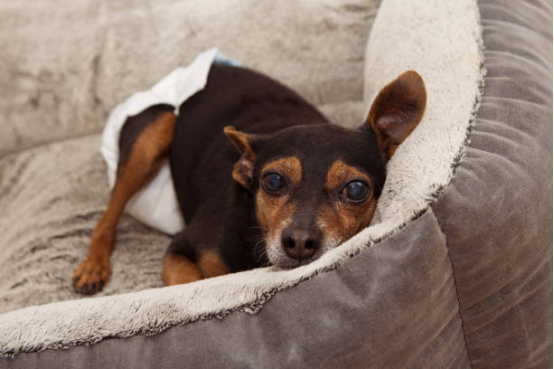
2. Why use “low-irritation” dog diapers ?
Although diet can reduce the burden on the kidneys, incontinence still plagues many dogs and owners.
My dog often wets the mat at night, which not only affects his sleep but also keeps his fur and skin in a moist environment for a long time. After a few days, red spots appeared near his belly and he even started to smell.
Later I tried dog diapers , which really helped me solve this problem. But please note that not all of them are suitable for dogs with kidney disease.
1. Necessary conditions for low-irritation dog diapers
A qualified “low stimulation” dog diapers must at least meet the following requirements:
- Absorbs quickly and does not re-seep: keeps skin dry.
- Breathable and not stuffy: reduces dermatitis caused by moisture.
- Soft material: avoid friction and hurt your skin.
- Leak-proof design: the legs fit snugly and the tail hole does not pinch hair.
- Easy to replace: There is a humidity display or Velcro to facilitate the owner’s judgment.
Selection of dog diapers in different scenarios
- For extended nighttime use: Highly absorbent disposable dog diapers guarantee dryness all night long.
- Daytime activities: Lightweight, well-fitting diapers or belly bands that do not hinder movement.
- Traveling: Choose a leak-proof style and carry spare diapers with you.
- Environmental protection requirements: Washable, reuse saves money, but it must be washed and dried frequently.
I have tried a combination of disposable and washable: washable during the day and disposable at night. This can reduce expenses and reduce the risk of skin allergies.
3. Combination of diet and excretion care
dog diapers alone won’t solve all the problems. What’s truly effective is a combination of the two.
1. Daily care process
- Morning: Change → Clean the lower abdomen skin → Eat a low-salt breakfast → Drink enough water
- During the day: Observe the frequency of urination, change the urine in time, and record water intake and appetite
- Nighttime: High absorption → Ensures sleep without being disturbed by urine
2. Care tips
- Each time you change your dog’s diapers , gently wipe the skin with warm water or alcohol-free wipes.
- If you find local red spots, you can apply pet-specific skin care cream.
- Do not wait until it is completely wet before changing it. Generally, it should be checked every 4-6 hours.
- If your dog’s water intake suddenly increases or his urine has a noticeable odor, you should return to the doctor as soon as possible.
3. Excretion observation combined with diet
- Increased urination: This indicates that the glomeruli are still working hard to ensure water supply.
- Decreased or yellow urine: This may indicate a worsening condition and you should seek medical attention.
- Weight changes: Eating too much or too little will affect recovery and needs to be adjusted at any time.
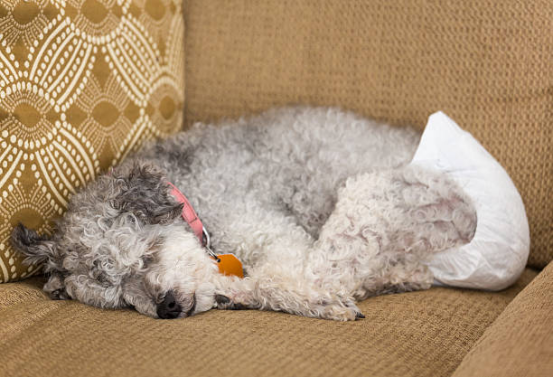
4. My nursing experience sharing
I remember when I first started caring for kidney patients, I was completely overwhelmed. My dog suddenly started leaking urine at night, and I even wondered if my training had regressed. Later, I realized it was a natural sign of declining kidney function, and I couldn’t blame him.
What really changed the situation was that I started implementing the “three-piece set”:
- Switch to a low-salt, low-phosphorus prescription diet
- Daily use low-irritation dog diapers
- Regularly check blood tests and keep a record of urination habits
After persevering, the dog’s mental state improved a lot, and the house was no longer covered in urine stains. Although kidney disease is irreversible, at least it can make its life more comfortable.
Summarize
The core of dog kidney care isn’t just about medication and follow-up exams. The real test for owners is day-to-day dietary and excretion management.
- A low-salt diet can reduce the burden on the kidneys and make the course of the disease more stable;
- Low-irritation dog diapers can protect the skin and reduce the risk of infection;
- Careful observation and recording help owners and veterinarians adjust the plan in a timely manner.
Raising a dog is a long-term companionship. When it is sick, the only thing we can do is to help it reduce its pain and allow it to continue to live a decent life.