

longtime As a longtime dog owner, I’ve always wondered: How can I provide my dog with a diet that’s both healthy and natural? There are so many different types of dog food on the market, from dry food to wet food to semi-wet food. In recent years, however, “raw diet” has gradually caught my attention.
Many people recommend raw dog food because it’s closer to a dog’s natural diet in the wild. However, there’s also considerable debate about whether it’s safe and nutritionally balanced. I’ve been experimenting with it for a few months, experiencing both minor setbacks and gains. I’d like to share the benefits and risks of raw dog food, as well as my experience choosing a diet for my dog.
Table of Contents
What is Raw Dog Food?
Simply put, raw dog food is a combination of natural ingredients that have not been cooked or processed at high temperatures. Common ingredients include:
- Raw meat: chicken breast, beef, lamb, etc.
- Raw bones: chicken necks, beef bones, etc.
- Internal organs: liver, kidneys, etc.
- Vegetables and fruits: carrots, apples, pumpkin, etc.
- Supplements: fish oil, eggshell powder, etc.
This diet mimics a dog’s natural hunting diet, emphasizing the raw state and nutritional integrity of ingredients. Compared to traditional dog food, it reduces processing steps and retains more natural enzymes and nutrients.

Potential Benefits of Raw Dog Food
1. Improve skin and hair health
I’ve noticed that dogs who eat raw food regularly have noticeably better skin and a shinier coat. Raw meat is rich in omega-3 fatty acids and high-quality protein, which can effectively reduce skin inflammation and leave the coat smoother and more lustrous.
2. Improve digestive system function
Raw dog food preserves natural enzymes and probiotics, which help the digestive system function more smoothly. Since my dog started eating raw dog food, his bowel movements have improved significantly, his odor has decreased, and he seems to be more relaxed.
3. Enhance immunity
Unprocessed foods contain more natural antioxidants, which help boost your dog’s immunity. I’ve found that dogs who eat raw dog food seem to get sick less often, have more energy, and are more active all day long.
4. Control weight and energy levels
Raw dog food is typically low in carbohydrates and high in protein and fat, helping dogs maintain a healthy weight and maintain a stable energy level. My dog has maintained a stable weight and significantly improved his daily activity level after eating raw dog food for a while.
Potential Risks and Challenges of Raw Dog Food
Of course, raw dog food isn’t suitable for every dog. I encountered some challenges while trying it:
1. Risk of bacterial contamination
Raw meat can carry harmful bacteria like salmonella and E. coli, which can be a potential threat to dogs and even family members. To reduce the risk, I buy ingredients from reliable sources and store and handle them in strict accordance with temperature and hygiene requirements.
2. Risk of nutritional imbalance
Raw dog food can lead to excess or deficiency of certain nutrients if not properly formulated. I usually consult a veterinarian or pet nutritionist for advice on how to combine ingredients and, if necessary, add supplements.
3. Risk of bone stuck in the throat
Raw bones are good for teeth, but they can get stuck in the throat or cause digestive tract blockages. I choose bones that are appropriate for my dog’s size and supervise him/her throughout feeding to avoid accidents.
4. Inadaptability during the transition period
When switching from dry or wet food to raw dog food, dogs may experience discomfort such as diarrhea and vomiting. To help them make the transition smoothly, I use a gradual replacement method, increasing the proportion of raw dog food a little at a time, while observing their physical condition and consulting a veterinarian if necessary.
My practical experience and suggestions
While experimenting with raw dog food, I’ve come up with a few things I’ve learned that I hope will be helpful to other pet owners:
- foFoodnd gradual transition: Initially, you can mix raw dog food with the original dog food and slowly increase the proportion to allow the dog to adapt.
- Diversify ingredients: Change meat and vegetables regularly to ensure balanced nutrition and avoid deficiencies caused by a single ingredient.
- Regular health checks: Pay attention to your weight, skin condition, and digestive health, and make timely adjustments if any problems are found.
- Consult a professional: When adjusting your diet, it is best to have the guidance of a veterinarian or nutritionist to ensure safety and scientific research.
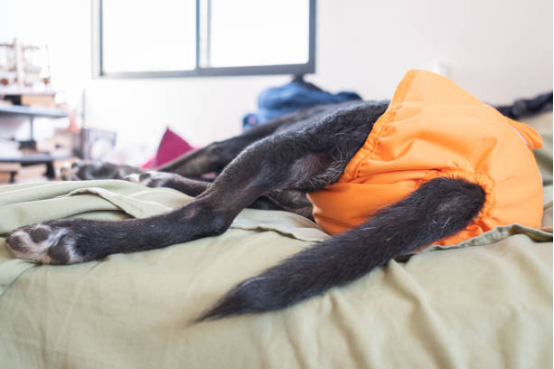
…., especially young or elderly dogs, can more easily cope with digestive reactions or occasional urinary incontinence during the transition period if they combine it with proper dog diapers and cleaning habits after eating raw dog food.
Summary: Is Raw Dog Food Right for Your Dog?
As a natural, unprocessed diet, raw dog food does have unique advantages: healthier skin, smoother digestion, improved immunity, and easier weight management.
maladaptation, mamaladaptation, t at the same time, it also has potential risks: bacterial contamination, unbalanced nutrition, bone safety, transition period mamaladaptation,nd other issues. As pet owners, we need to weigh the pros and cons based on the individual situation of our dogs and develop a reasonable plan.
If you decide to try raw dog food, it is recommended that you:
- Under the guidance of professionals
- Observe your dog’s physical reactions
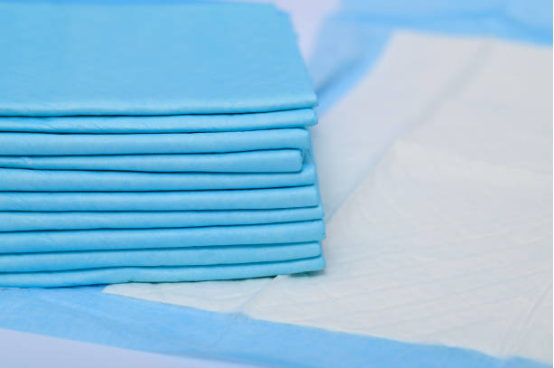
- Use appropriate protective measures (such as dog diapers)
safety, Only in this way can we truly balance health, safety, and comfort and allow dogs to grow up happily.
Tips: How to Safely Start a Raw Dog Food Diet
- Source and choose high-quality ingredients: meat that is fresh and responsibly sourced and avoids hormones or antibiotics.
- vegetables, and proper combination: Follow professional advice to ensure a balanced diet of meat, vegetables, and supplements.
- Observe reactions: Observe your dog closely during the transition period and make timely adjustments if any abnormalities are detected.
- -contamination. Maintain hygiene: Keep food clean when handling and storing to avoid cross-contamination.
Through careful observation and scientific matching, I’ve found that dogs on a raw dog food diet are not only in better physical condition but also more active mentally. Every dog is unique, and finding the diet that best suits it is the true way to care for it.