

As pet owners, we tend to think of dogs as energetic companions. They run around, wag their tails, and ask for pets, seemingly never tired. But dogs can also experience low moods, even experiencing depression-like states. Since they can’t speak, we can only interpret their moods through their behavior and body language.
I recently noticed something was wrong with my dog. He used to chase his ball, but now he’d rather just sit in a corner and stare blankly, showing no interest in even his favorite snacks. This got me started researching canine depression and how to identify and intervene.
symptoms and This article will provide you with a complete guide from symptoms and causes to improvement methods to help your dog overcome psychological lows.
Common Symptoms of Depression in Dogs
1. Decreased energy and lethargy
- If your dog suddenly becomes lazy and isn’t as active as before, it could be a sign of depression.
- They may lie down for long periods of time, missing out on their favorite walks or playtime.
- Sometimes this change in behavior may not only have psychological reasons, but physical discomfort may also be the factor behind it.
2. Changes in appetite
- A depressed dog may lose his appetite or even refuse to eat.
- Some dogs overeat, and this “emotional eating” can cause significant weight changes.
- These symptoms may indicate psychological problems or reflect health conditions and require comprehensive observation.
3. Changes in social behavior
- Your dog may become withdrawn and stop actively approaching you or other pets in the household.
- They may hide in a corner and be reluctant to interact.
- This behavior is often related to a change in environment or a low mood.
4. Excessive licking or self-soothing
- Some dogs, when anxious or upset, will lick themselves repeatedly to comfort themselves.
- If left untreated, it may lead to skin inflammation or infection.
- When you discover this behavior, you can provide toys or soothing methods to guide them to divert their attention.
5. Abnormal sleep patterns
- A depressed dog may experience a reversed sleep pattern, poor sleep quality, or even excessive sleepiness.
- Sleep changes are often a sign of emotional issues and may also be accompanied by physical discomfort.
Possible Causes of Depression in Dogs
1. Environmental changes
Moving, changes in family members, or adding a new pet to the household can be unsettling for a dog.
Dogs have limited ability to adapt to their environment, and sudden changes can easily cause anxiety or even depression.
2. Health issues
Chronic illness, pain, or physical discomfort often affects mood.
For example, arthritis, dental problems, or organ disease can make a dog depressed.
3. Lack of stimulation
play, Dogs with monotonous daily routines and a lack of exercise, play, or social interaction are more likely to develop emotional problems.
Regular activity and interaction are essential for mental health.
4. Influence of the owner’s mood
Dogs are very sensitive to their owners’ emotions, and if you’re stressed or feeling down, they’ll be affected too.
This “emotional resonance” can cause anxiety and depression in dogs.
3. How to help dogs get out of depression
1. Provide regular daily activities
Schedule regular walks, playtime, and interaction time each day to give your dog a sense of rhythm.
Activities can be short but frequent to keep them active while building a sense of security.
2. Create a safe and comfortable environment
Give your dog a quiet, comfortable corner to reduce noise and disturbance.
You can put down a soft cushion and some familiar toys or smells to make it feel at ease.
3. Increase social interaction
Encourage your dog to interact with people and other friendly pets, especially its favorite friends.
Games, walks, or light training can improve their mental state.
4. Pay attention to diet and health
Provide balanced nutrition and ensure a stable diet.
If your dog has an abnormal appetite or a significant change in weight, seek medical attention immediately to rule out any physical illness.
5. Seek professional help
When symptoms persist or worsen, a veterinarian or animal behavior specialist can provide professional evaluation and intervention.
Including behavioral training, environmental adjustment, and even drug assistance when necessary.
4. Original Case Sharing
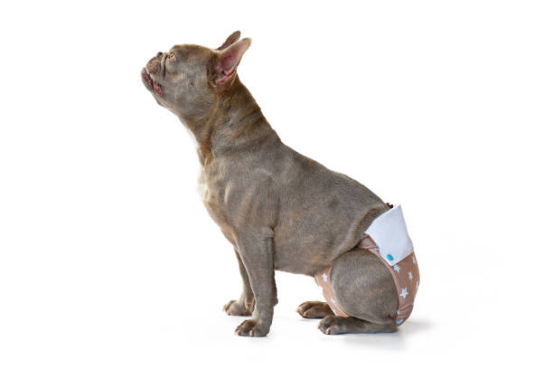
, “Qiuqiu,” Some time ago, my friend’s puppy, “Qiuqiu,” suddenly became quiet and taciturn, no longer jumping around, and lost interest in walks. What’s worse, it began to hide in corners frequently and sometimes even urinated everywhere in the house.
I suggested that my friend take several steps at the same time:
- Regular activities: Take the ball for a walk and interact with it at a fixed time every day, about 20 minutes each time.
- Safe space: Place a clean mat in the corner of the living room and place its favorite toys and clothes to reduce tension.
- Socialization and comfort: Gradually guide it to interact with family members while giving it gentle words and touch.
- Diet and health monitoring: Check your diet to ensure balanced nutrition, while paying attention to your weight and skin condition.
vitality and A week later, Qiuqiu gradually regained his vitality and began to actively approach his family, and his urinary incontinence also decreased. This case made me deeply realize that only when psychological and physical care are carried out simultaneously can the effect be significant.
5. Summary: Pay attention to your dog’s mental health
Depression in dogs may manifest as changes in behavior, appetite, sleep, and socialization.
Possible causes include changes in the environment, health problems, lack of stimulation, or the owner’s mood.
Comprehensive measures include regular activities, a comfortable environment, social interaction, dietary regulation, and professional intervention.
Through careful observation and timely intervention, we can help dogs recover from their lows and restore their vitality and happiness. After all, they are not only pets but also members of the family.
Tips for Coping with Seasonal Mood Swings
- During winter or other periods of low sunlight, dogs may experience mild depression.
- Increase daylight hours or use a softer indoor light source.
- Maintain regular activity and provide enrichment toys to keep your dog active both physically and mentally.