

introduction
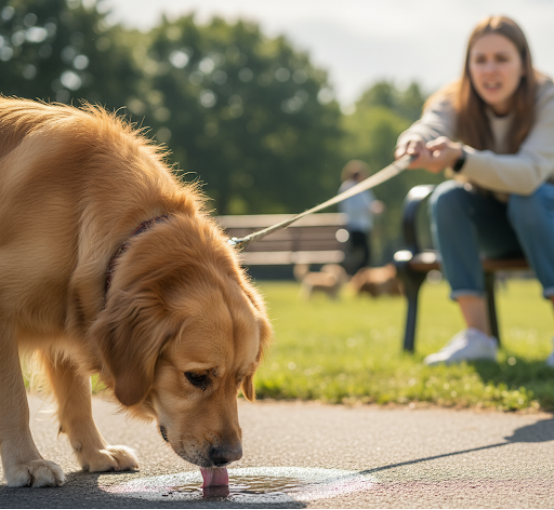
As pet owners, we may encounter some puzzling behaviors, one of which is our dogs licking other dogs’ urine. While this behavior may seem inexplicable, it actually has many physiological and behavioral reasons. Have you ever seen your dog or someone else’s dog exhibit this behavior while on a walk and found it odd? You’re not alone. In reality, this behavior isn’t accidental; it’s an innate way dogs interact with the world.
In this article, we’ll explore why dogs lick other dogs’ urine, understand the reasons behind this behavior, and offer some solutions to help pet owners better manage this behavior.
Why do dogs lick other dogs’ urine?
1. Territory marking and information exchange
Dogs communicate through scent, with a highly developed sense of smell. Urine is a rich source of information for dogs. They use urine to mark territory, express emotions, and even exchange vital information about their health and reproductive status. So, when dogs lick another dog’s urine, they’re not simply doing it for a taste; they’re using it to learn about the other dog’s gender, health, food intake, and whether they’re in estrus.
For example, if your dog encounters a female dog that has just gone into heat, it will likely be very interested in the dog’s urine because the hormones in the urine will send it a “signal” telling it the dog’s reproductive status.
2. Instinct Drive and Exploration Behavior
For dogs, licking isn’t just a way to gain information; it’s also a form of exploratory behavior. Just as we use touch to understand our environment, dogs lick to explore and understand their world. Whether it’s urine, food, or other objects on the ground, dogs gain a sense of the world around them through these “licking behaviors.” This is why some dogs, especially younger ones, are more likely to exhibit this behavior.
3. Anxiety or stress response
While it may seem counterintuitive, a dog’s urine licking behavior can sometimes be linked to an emotional or psychological state. For example, when a dog is stressed or anxious, they may lick to relieve their inner anxiety. This often occurs when a dog is experiencing a change in environment (such as moving or traveling) or is left alone for an extended period of time. Urine licking may become a form of self-soothing.
Potential health problems
1. Unbalanced diet
Your dog’s diet may influence their behavior. If your dog is deficient in key nutrients, such as minerals or vitamins, they may lick urine to replenish these deficiencies. For example, a dog with a salt deficiency may develop a craving for urine, as it may contain much-needed minerals. Ensuring your dog’s diet is balanced can help minimize this behavior.
2. Health issues
If you notice your dog licking urine frequently and experiencing other unusual symptoms (such as excessive drinking or weight loss), it could be a sign of a health issue. For example, a dog with diabetes or kidney problems might urinate excessively, or even have a change in the composition of their urine, attracting the attention of other dogs. Your dog’s behavior isn’t just social; it could also be influenced by their physical health.
3. Behavioral habits
Additionally, urine licking can sometimes become a habit, especially if it’s not corrected promptly. In many cases, if a dog finds that licking urine provides some kind of reward or psychological comfort, they may continue the behavior. Over time, urine licking can become a recurring habit.
How to solve the problem of dog licking urine?
1. Improve diet and supplement nutrition
First, make sure your dog’s diet is balanced. A lack of minerals, vitamins, or other essential nutrients may be contributing to your dog’s urine-licking behavior. You can choose a high-quality dog food or adjust the diet according to your veterinarian’s recommendations to ensure your dog is getting adequate nutrition.
2. Increase exercise and interaction
Increasing your dog’s exercise and social interaction can help reduce urine licking. If your dog gets enough exercise to burn off excess energy, they generally won’t exhibit this anxious behavior. Social interaction with other dogs is equally important, helping your dog establish correct social behaviors and forming healthier behavior patterns with their companions.
3. Behavioral training
Positive training is very effective for correcting inappropriate dog behavior. If your dog’s urine licking behavior has become a habit, you can use training to change it. For example, you can use the command “stop” or “no” to stop the dog from licking, while also giving rewards to reinforce the correct behavior. This method can help your dog understand which behaviors are acceptable and which ones should be avoided.
4. Use Dog Diapers
For dogs that frequently lick urine, or those living in multi-pet households, using Dog Diapers can be an effective solution. Dog Diapers not only prevent dogs from licking other dogs’ urine, but also effectively keep the home clean. Furthermore, if your dog has trouble controlling his or her urination, Dog Diapers are a convenient and sanitary option.
Conclusion
While it may seem confusing for dogs to lick other dogs’ urine, there are complex physiological and behavioral reasons behind it. From a dog’s social needs and exploratory instincts to emotional reactions, everything can contribute to this behavior. If your dog frequently exhibits urine licking behavior, understanding its motivations is crucial. Pet owners can effectively address this issue through diet adjustments, increased exercise, behavioral training, and even the use of Dog Diapers . In short, paying attention to a dog’s health and behavior and understanding their needs will help us provide a more comfortable and healthy living environment for our pets.