
Understanding the Dog’s Estrus Cycle: Providing Better Care for Your Pet Dog

As a pet owner, understanding your dog’s estrus cycle is crucial. Especially if you own an intact female dog, understanding this cycle not only helps you better care for her physical health but also allows you to make informed decisions when necessary—such as whether to spay or neuter her or how to prevent unintentional breeding. Below, I’ll walk you through the four stages of a dog’s estrus cycle and provide some practical tips to help you better care for your pet during this special time.
What is a dog’s estrus cycle?
A dog’s estrus cycle, also known as its menstrual cycle, is a natural reproductive process in female dogs. Typically, dogs begin experiencing estrus between six months and two years of age. This cycle typically occurs twice a year, lasting approximately two to three weeks each time. Understanding this cycle is crucial for ensuring your dog’s health and can help you make decisions about spaying or neutering.
The four stages of a dog’s estrus cycle
Proestrus
- Duration: approximately 7-10 days
- Characteristics: During this stage, the dog’s genitals begin to swell and she may start to secrete some blood or a bloody discharge. Although she may attract the attention of male dogs, she is not yet ready to mate.
- What it means: You may notice your dog starts licking her genital area more frequently or seems a little restless or agitated.
estrus
- Duration: Approximately 5-9 days
- Characteristics: This is when a dog is ready to be mated. Her discharge usually becomes lighter in color, less frequent, and clearer. This is when a dog usually begins to show signs of acceptance of a male.
- Behavior: The dog at this stage may act particularly intimate or dependent on you, but you also need to be especially careful to avoid contact with male dogs to prevent accidental pregnancy.
Post-estrus
- Duration: Approximately 60-90 days
- Characteristics: If your dog is pregnant, she will spend the entire pregnancy in this phase; even if she is not pregnant, her hormone levels will return to normal and the swelling of her genitals will subside.
- Behavior: During this stage, the dog may become quieter and even appear a little lazy.
Anestrus
- Duration: Usually 4-5 months
- Characteristics: Anestrus is a period of physiological rest for dogs. During this period, the body does not secrete any fertility-related hormones. The dog typically returns to a relatively stable physiological state, preparing for the next cycle.
Recognizing the Signs of Estrus
Every dog is a little different when it comes to heat, but there are some common signs you can look out for:
- Behavioral changes: During estrus, your dog may become extra active or dependent on you, especially in the early stages, and she may show more desire for affection.
- Changes in excrement: Dogs in estrus often have bloody discharge that ranges in color from red to light pink, and can change in both quantity and color.
- Social Behavior: Male dogs often show a strong interest in female dogs in estrus and may exhibit excessive chasing or excited behavior.
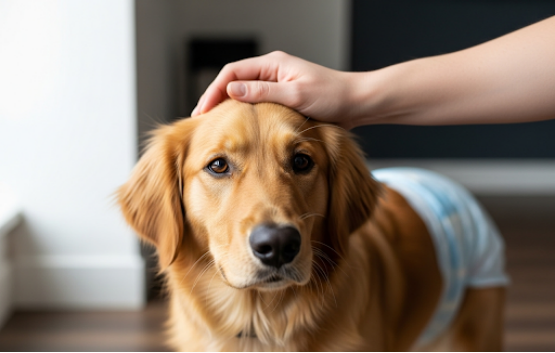
Using dog diapers : a good helper to keep clean
When your dog is in heat, she may secrete bloody substances, which can stain floors, furniture, and even her own body. This is when dog diapers become a very useful tool. Especially for owners who can’t take their dogs outside frequently, diapers not only effectively prevent indoor contamination but also help keep your dog’s reproductive area clean, preventing unnecessary bacterial growth.
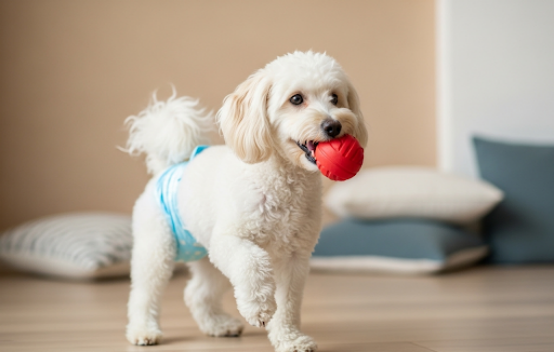
There are various types of dog diapers available on the market , both disposable and reusable. You can choose the right one based on your dog’s size, the specifics of their estrus, and your own needs . A good dog diaper will not only keep your dog dry and comfortable, but also reduce the burden of cleaning your environment, especially during this sensitive period.
How to take care of a dog in estrus?
- Keep it clean: During estrus, your dog’s discharge may soil her bedding, your home, or herself. Clean your dog’s genitals promptly, provide a clean and comfortable environment , and choose appropriate dog diapers .
- Avoid contact with male dogs: To prevent unwanted pregnancy, minimize your dog’s contact with male dogs. It’s best to use a leash when walking her and make sure she’s out of reach of other dogs.
- More attention and comfort: A dog in estrus may feel a little uncomfortable or irritable. Appropriate comfort and companionship can help her maintain emotional stability and reduce her anxiety.
- Consider spaying or neutering: If you don’t plan on breeding your dog, consider having her spayed or neutered. This will not only help prevent unwanted breeding, but it can also reduce the risk of many health problems, such as breast cancer and uterine infections.
How to avoid the trouble caused by dog estrus?
For many pet owners, estrus can be a source of distress, especially for those who can’t be home full-time to supervise their dog. Considering spaying your dog can effectively avoid the inconvenience of estrus and help reduce the number of stray dogs. Spaying your dog eliminates the estrus cycle and reduces physiological and emotional fluctuations.
Conclusion
Understanding your dog’s estrus cycle is every pet owner’s responsibility. It not only helps you provide better care for your dog but also ensures her physical health. If you don’t plan to breed your dog, spay/neuter is a wise choice, as it avoids unnecessary complications and helps reduce future health problems. Regardless of your choice, the most important thing is to provide your dog with a comfortable, nurturing environment where she feels loved and cared for.