
Dog Travel Checked: Airline Compliance, Dog Diapers, and Stress Relief Tips

For many pet owners, the thought of traveling with their dogs on an airplane or relocating them internationally is a mixture of excitement and anxiety. Sudden environmental changes, fluctuating air pressure, loud noises, and confined spaces can all contribute to intense stress in dogs. If they need to relieve themselves during this time, not only can this easily soil the cage and create a moist environment, but it can also increase health risks. This is where an aviation-compliant dog diaper, combined with scientific stress relief techniques, can be a hidden aid to your dog’s flight safety and comfort. This article will provide a detailed explanation of the key points of using dog diapers during air travel and strategies for stress relief, ensuring a smoother journey.
1. Basic Rules and Potential Risks of Air Transport
Before discussing dog diapers and stress relief, it’s important to first understand the basic airline regulations and potential risks for pet checked transport. After all, understanding the rules can help you better avoid risks and ensure your dog arrives safely at its destination.
General requirements for transporting pets
- safe.”Cage standards: Most airlines require that checked dogs must use cages that meet IATA (International Air Transport Association) standards to ensure “leak-proof, ventilated, and safe”.
- Absorbent material: The cage must be lined with absorbent pads or other absorbent material to prevent excrement from seeping out. For example, American Airlines explicitly requires that the cage be clean and have absorbent material.
- Arrive early: Checked pets usually need to arrive at the air cargo area 4–6 hours in advance to complete inspection and registration.
- cabin butCabin travel vs. cargo hold: Small dogs may be allowed in the passenger cabin, but must be placed in an approved pet bag or cage. Large dogs or those travelling on international flights are usually only accepted in the hold, where temperature and connection wait times become important considerations.
Potential risks of shipping
- Temperature and ventilation: The cargo hold or checked area may be hot and poorly ventilated, making it difficult to regulate body temperature.
- Stress-induced dehydration or loss of appetite: An unfamiliar environment causes dogs to refuse water and food, increasing the risk of dehydration.
- Breathing difficulties: Short-nosed dogs (such as bulldogs and pugs) are more likely to experience breathing difficulties in checked luggage.
- Restless behavior and increased heart rate: Stress can cause an increase in heart rate and cortisol, which may increase the burden on internal organs in the long term.
- Excretion problems: During long flights, dogs may not be able to control their excretion, the cage may be damp, and their skin may be irritated.
II. The Role of Dog Diapers in Consignment and Key Compliance Points
During the checked baggage process, dog diapers cannot replace the dog’s excretion needs, but they can reduce the risk of leakage and maintain a dry environment when the dog cannot defecate in time.
Functional Positioning
- Prevent leakage: High-quality dog diapers can absorb urine quickly, and the leak-proof edges reduce side leakage and protect the litter in the cage.
- ,Reduce the burden of cleaning: Even if there is an absorbent pad in the cage, the excrement will be concentrated on the diaper after wearing dog diapers , which is easier to clean.
- Psychological comfort: In an unfamiliar environment, the feeling of being enveloped can bring a sense of security and reduce anxious behavior.
- Short-term emergency: In the event of delays or long-distance transportation, dog diapers can be used as a temporary protective measure.
Compliance points and selection principles
- Breathable material: thin and breathable, reducing stuffiness in the cage.
- High absorption capacity: fast absorption, large enough capacity to prevent wetting and re-seepage.
- Leak-proof edge design: There must be a leak-proof structure on all sides.
- MatchSIZE & FIT: Matches the size of your dog to avoid rubbing or sliding.
- Resistant to movement: not easily shifted during bumpy transportation.
- Pre-adaptation training: Let your dog get used to wearing it before traveling to reduce rejection.
Tips for Relieving Dogs’ Stress Reactions
protection;Dog diapers only provide physical protection, emotional and physical stress still require additional care. The following methods can help your dog maintain relative stability during transport.
1. Acclimatize to the environment in advance
- Crate training: Let your dog get familiar with the shipping crate at home in advance and use the crate as a “resting corner.”
- Short-distance “training flight”: simulate a car journey or airport in advance to allow the dog to slowly adapt to the shaking and noise.
- Maintain a fixed daily rhythm: Keep your eating, bowel movements, and activity rhythms normal before traveling to avoid sudden disruptions on the day.
2. Diet and water control
- Avoid feeding 8–12 hours before departure to reduce the risk of vomiting in a high-stress environment.
- Provide small amounts of water to keep the plant moderately hydrated, but avoid heavy watering at once.
- .Dog diaper emergency: Dog diapers provide temporary protection during delays or long-distance transportation .
3. Soothing aids
- guidance,Anti-anxiety supplements/sedatives: Use only under veterinary guidance and do not try for the first time during shipping.
- Fragrance or functional spray: A small amount of dog calming spray can increase comfort.
- cage andShading and tactile soothing: Lightly hang a cover in the cage, place a soft cushion or a blanket with the owner’s scent.
4. Takeoff and landing options
- Direct flights are prioritized to reduce intermediate loading and unloading.
- Avoid extreme temperatures; milder periods are more friendly.
- Take off early in the morning or evening when the temperature is just right and more comfortable for your pet.
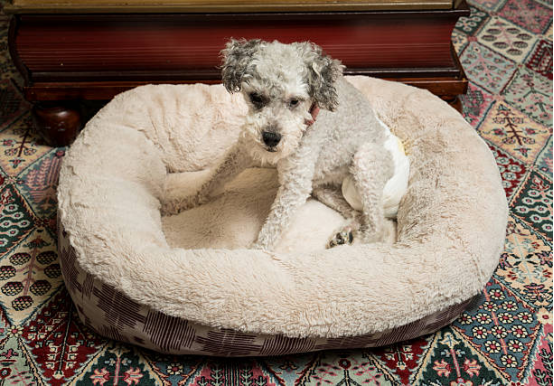
IV. Preparation and emergency plan before, during and after travel
Before departure (72–24 hours)
a healthVeterinary inspection to confirm health and issue health certificate and vaccination records.
Book your pet’s ticket in advance and confirm the airline’s cage size requirements.
Have spare dog diapers ready in case they are the wrong size or get soaked.
The cage should be equipped with absorbent mats, spare diapers, and drinking water devices.
the cageTrain your dog to adapt to dog diapers and cage environment.
During flight/check-in
.Place an absorbent mat in the cage and put on a well-fitted dog diaper .
During a layover, you can take your dog to the airport’s pet relaxation area to relieve yourself.
Keep the cage ventilated and observe the dog’s breathing, eyes, and saliva.
If you experience shortness of breath or extreme discomfort, contact airline personnel immediately.
After landing (within 24 hours)
Uncage, check the dog’s condition, change diapers, and clean the bedding.
Provide water and small amounts of easily digestible food.
Get plenty of rest and avoid excessive activity.
Keep spare dog diapers on hand in case of poor bowel control.
summary
Airline transport of dogs is full of challenges: sudden changes in the environment, stress risks, and difficulty defecating… But through scientific preparation and a combination of strategies (airline-compliant dog diapers + stress relief techniques + emergency plans), you can minimize the risks and ensure your dog completes the flight smoothly.
Key takeaways:
- Understand the airline’s policies and baggage requirements.
- Choose high-quality, breathable, and leak-proof dog diapers, and train them to wear them in advance.
- Stress prevention throughout the entire process before, during and after shipping