
Cognitive impairment in older dogs: Patient training for dog diapers and toileting at designated locations

As dogs age, many owners notice behavioral changes—particularly regarding urination and defecation. Declining cognitive function can cause dogs to get lost and forget commands and can also lead to urinary incontinence and difficulty using the restroom. For these situations, dog diapers aren’t just a temporary solution; they’re a crucial tool in caring for older dogs. Combined with patient toilet training, we can make older dogs’ lives more comfortable and reduce the hassle of cleaning for owners.
Understanding Canine Dementia Syndrome (CDS) in Older Dogs
Canine Cognitive Dysfunction Syndrome (CDS), similar to Alzheimer’s disease in humans, is common in dogs over seven years old. Research suggests that nearly one-third of dogs over 11 years old may be affected by CDS. This condition not only causes memory loss and spatial confusion but can also be accompanied by altered sleep patterns, anxiety, and nighttime barking. As the condition progresses, urinary incontinence and difficulty using a designated toilet often become major concerns for owners.
In this situation, the importance of dog diapers becomes obvious—they not only help you protect your home environment but also protect your dog’s skin health.
The key role of dog diapers
Under the influence of CDS, dogs are sometimes unable to sense or express the need to urinate in time, which can lead to accidents. Dog diapers can directly solve this problem. The advantages include
- Protect the environment: Prevent urine leakage and avoid contamination of carpets and furniture.
- Protect skin: Reduce prolonged contact of urine with skin and reduce the risk of diaper rash and infection.
- Reduce the burden on the owner: no need to clean up excrement frequently, making the care process easier.
However, choosing any dog diaper is not enough to solve the problem. Especially for elderly dogs, the comfort, breathability, and absorbency of diapers will directly affect their daily quality of life.
Patience training method for fixed-point toilet guidance
Even with cognitive decline, older dogs can still maintain a certain level of toileting habits with patient guidance. The key to training is pacing, positive feedback, and consistency.
1. Choose the right dog diapers
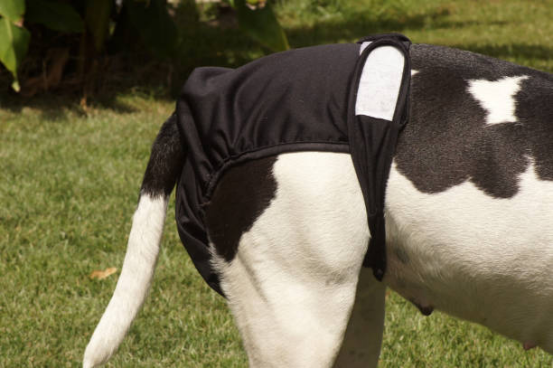
Senior dogs vary in size, mobility, and diaper habits, making the right diaper crucial. Both disposable and washable diapers are available in a variety of sizes and designs. It’s recommended that owners try a small package first to find the best fit for their dog.
A quick tip: To avoid discomfort, measure your dog’s waist and hips beforehand and refer to the brand’s sizing chart.
2. Set up a fixed toilet area
Designate a designated toilet area for your dog at home, such as a training mat or artificial turf mat. This way, even if your dog’s memory declines, they’ll still have a sense of habit.
Choose a quiet, easily accessible corner to minimize distractions.
3. Establish a regular bowel movement schedule
Older dogs need a steady pace of life. A regular feeding schedule helps regularize their bowel movements. It is recommended to schedule bowel movements at:
- After getting up in the morning
- Half an hour after a meal
- Before bed
Taking your dog to the toilet area during these times can gradually establish a conditioned reflex.
4. Positive reinforcement
When the dog defecates in the designated place, give it a reward in time—whether it is verbal praise or a small amount of snacks. This process not only strengthens memory but also allows the dog to feel positive emotions during training.
Tip: Don’t punish your dog for accidentally eliminating; this will only increase their anxiety.
5. Be patient and consistent
Older dogs may adapt to new methods much more slowly than younger ones. This requires more patience from their owners. Maintaining a gentle tone and consistent movements during training is crucial to helping your dog adapt. A little patience can lead to small but significant improvements.
Conclusion: Patience is key
Facing cognitive impairment in older dogs requires more than just dog diapers; patience is crucial. Combining scientific toilet training with guided toileting can help older dogs maintain a regular routine, reduce urination disturbances, and improve their comfort.
Key recommendations:
- Choosing the right dog diapers, focusing on size and comfort
- Set up a fixed toilet area to cultivate conditioned reflexes
- Establish regular bowel movement times and adhere to positive reinforcement
- Be patient and consistent
In this way, owners can not only effectively manage the excretion problems of elderly dogs but also provide them with a dignified and comfortable later life.