
A Guide to Matching Dog Clothes and Diapers: Essential Care Tips for Every Pet Owner

Every winter, or when pet owners encounter potty or health issues with their dogs, they often face the question: “Will dressing my dog make him too hot? Will diapers make him uncomfortable?” In fact, clothing and diapers can be combined, provided the choice is based on the dog’s needs. For example, a puppy in winter needs clothing for warmth but may also need diapers to prevent soiling the bed. Or, an elderly dog after surgery may need clothing to protect its wounds but may also experience urinary incontinence. These two are not mutually exclusive; the key is to choose a combination that suits the dog and avoids placing an additional burden on it.
1. Determine whether your dog needs clothes: Three factors determine warmth needs
Each dog’s ability to withstand the cold varies, so whether or not they need to wear clothes depends on their specific situation. Understanding your dog’s basic characteristics can help you better judge the need for clothing and diapers.
1. Breed and hair type: Different hair types have different needs
The type of hair a dog has determines how well they can keep warm. Generally speaking, there are two types of hair:
Double-coat dogs: These dogs have an inner layer of fur, such as Huskies, Alaskans, and Saint Bernards. They have a natural ability to keep warm and usually do not need to wear clothes. On the contrary, they may feel hot if they wear clothes.
Single-coat dogs: such as poodles, Chihuahuas, etc., have shorter hair and are easily affected by cold weather, so they need to wear clothes to keep warm.
2. Size: Small dogs are more susceptible to cold
Small dogs have a larger surface area and lose heat more easily, so they get colder more easily and need warm clothing. Larger dogs (such as Golden Retrievers and Labradors) generally don’t need clothing in cold weather unless the weather is very cold and they have special needs (such as urinary incontinence).
3. Age and health: Puppies and elderly dogs should pay special attention to
- Puppies: Puppies have poor body temperature regulation ability, especially in cold weather, so they need to wear warm clothes when going out to avoid catching cold. And because they have not yet learned to use the toilet, they usually need diapers.
- Senior dogs: Older dogs have a slower metabolism and are more prone to urinary incontinence or joint pain, so they need clothing to stay warm and may need to use diapers to avoid messes.
- Dogs after surgery: If the dog has just undergone surgery, it needs to wear clothes to protect the wound, and diapers can prevent the area around the wound from being contaminated by urine.
2. Tips for matching dog clothes and diapers
Wearing clothes and using diapers don’t have to be separate. In some cases, combining the two can better solve practical problems for dogs. The right combination can provide both warmth and toileting.
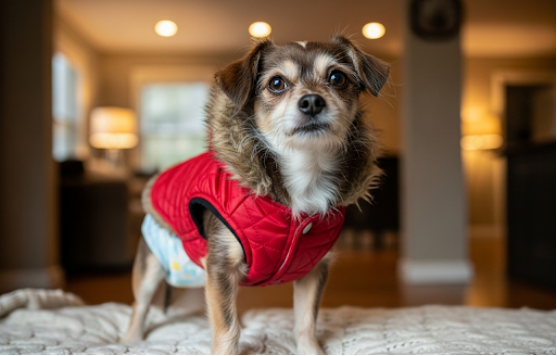
1. Cold weather: small dogs should wear warm clothes and diapers to solve the problem of wetting.
For some short-haired or small dogs, wearing clothes to keep warm in cold weather is necessary. If the dog has not yet developed good toilet habits (such as puppies) or has urinary incontinence (such as elderly dogs), diapers are an effective solution:
- Choose warm clothes + breathable diapers: For example, the design of the coat has an opening for diapers, which can keep you warm and avoid urine contamination;
- When choosing diapers, pay attention to breathability and avoid using non-breathable diapers as they may cause skin problems.
- Tip: Be careful to avoid dressing dogs with double coats (such as Huskies). Their coats can provide enough warmth, and too much clothing will make them uncomfortable.
2. Puppy care: Wear appropriate clothing and use diapers
For puppies born in winter, keeping them warm is the top priority. If they have not yet learned to go to the toilet in a designated place, diapers are also necessary.
- Indoors: Wear light cotton sweaters at home. When the temperature is below 20°C, wear thicker clothes.
- Going out: Wear a windproof jacket. The design of the jacket should take into account the matching of diapers. You can choose clothes with Velcro design to facilitate diaper changing.
- Tips: Change your dog’s diaper regularly every day and check if there is any redness on the dog’s belly. Use diaper cream if necessary to prevent urine from irritating the skin.
3. Elderly dog care: Wear warm clothing and leak-proof diapers
Older dogs often face problems such as urinary incontinence and joint pain. In such cases, it is recommended to:
- Wear high-waisted warm clothes: This kind of clothes can cover the abdomen and waist, which can keep warm and prevent the waist from getting cold, and can also help to fix the diaper;
- Use with leak-proof diapers: Choose diapers with an elastic waist to ensure they fit snugly around your dog’s body and prevent urine from leaking.
- Tips: If your dog suffers from urinary incontinence when outside, you can choose a diaper with absorbent gel inside to avoid contaminating clothes and skin when going out.
4. After surgery, dogs should wear surgical gowns and diapers to prevent wound infection.
Dogs that have just undergone surgery need special care and should wear loose surgical gowns to prevent the wound from being exposed to the outside world. The use of diapers is mainly to prevent the wound from being contaminated by urine:
- Wear surgical gowns: Choose appropriate surgical gowns to allow the dog’s activities to be unrestricted and to protect the wound;
- Using diapers: When wearing diapers, make sure not to press on the wound area. It is best to choose breathable diapers to ensure that the dog does not feel uncomfortable due to friction.
3. In what situations is it not appropriate to wear clothes or use diapers?
Although wearing clothes and diapers has many advantages, you should also pay attention to whether it is appropriate according to the dog’s situation. If the dog is not adapted or feels uncomfortable, it may cause adverse reactions.
1. Your dog clearly doesn’t like wearing clothes or diapers
Some dogs naturally dislike wearing clothes or diapers, especially if they don’t have any special needs. If they show a strong discomfort reaction (such as trying to escape, appearing anxious, etc.), it is not recommended to continue forcing the dog to wear clothes or diapers.
2. Clothes or diapers don’t fit
- Clothes are too tight: If clothes are too tight, they may constrict the dog’s abdomen and affect its breathing or freedom of movement;
- Diapers that are too big or too small: Ill-fitting diapers can cause urine leakage or friction, affecting the dog’s comfort.
3. Use non-breathable clothing or diapers
Non-breathable diapers or clothing can cause your dog’s skin to become moist, red, and even cause skin diseases. Especially when wearing them for a long time, try to choose materials with strong breathability to ensure that your dog’s skin remains dry.
4. Frequently Asked Questions
1. Can my puppy wear clothes?
Small dogs and short-haired breeds often need clothing to stay warm, especially in cold weather. If your dog is small and has short hair, clothing can help keep him warm. However, be careful not to overdress him, as it can make him uncomfortable.
2. What should I do if my dog doesn’t like wearing clothes?
Some dogs may not be used to wearing clothes. Start by wearing them for short periods of time to gradually acclimate them. Choose clothes that fit well and are soft, avoiding tight or heavy clothing. If your dog is persistently resistant, consider not wearing clothes, but still make sure they are well-protected during winter.
3. How to choose the right diaper?
Choose the right diaper for your dog’s size. It shouldn’t be too large or too small; it should fit snugly around your dog’s waist and be highly absorbent. When choosing, prioritize breathable and comfortable materials to avoid skin problems caused by improper use.
4. Will dogs feel uncomfortable wearing clothes?
If you choose the right size and material, your dog shouldn’t feel uncomfortable wearing clothing. Choose soft, breathable fabrics, and make sure the clothing doesn’t constrict your dog’s neck, chest, or abdomen. Observe your dog’s reaction; if he seems anxious or uncomfortable, the clothing may not fit properly or he may not like wearing it.
V. Conclusion
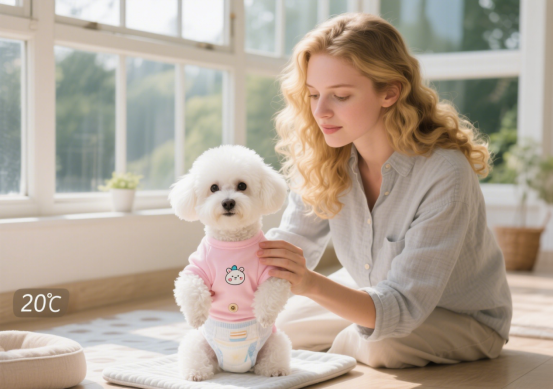
Wearing clothes and diapers isn’t just for aesthetics; it’s essential for your dog’s health. Choosing the right clothing and diapers can effectively ensure your dog’s comfort and safety, especially during cold weather or when they’re experiencing health issues. As a pet owner, understanding your dog’s needs and carefully selecting accessories is the best way to provide them with the care they deserve. We hope this guide will help you better provide a comfortable living environment for your dog. Whether it’s a cold winter or recovery from surgery, proper care is key to ensuring their health.
To ensure your dog receives the best possible care, we recommend our high-quality dog diapers . Made with breathable material and highly absorbent, they protect your dog’s skin and ensure long-term comfort. Buy now and give your dog the complete care they deserve!